7 Signs You Should Consider HRV in Your Home
Wiki Article
How Heat Recovery Ventilation Improves Indoor Air Top Quality and Reduces Energy Prices
Heat Recovery Ventilation (HRV) systems play a necessary function in enhancing interior air high quality while at the same time reducing energy expenditures. By effectively trading stale indoor air with fresh exterior air, HRVs assist preserve suitable moisture and lower toxins. In addition, their ability to recuperate warmth from outbound air decreases the stress on heating and cooling systems. As energy expenses remain to increase, comprehending the complete capacity of HRV systems becomes significantly essential for house owners and businesses alike.Understanding Heat Recovery Ventilation Equipments

Heat recovery ventilation (HRV) systems play a vital role in enhancing indoor air top quality, especially in modern, energy-efficient structures. These systems are created to move warmth from the outbound stale air to the incoming fresh air, consequently decreasing power loss while preserving ideal temperature degrees inside. HRVs consist of a heat exchanger, followers, and ductwork, assisting in the continuous circulation of air. By expelling interior pollutants and presenting fresh air, HRVs help to balance humidity degrees, prevent mold growth, and decrease allergens. The performance of HRV systems copyrights on their capability to recoup up to 80% of the warm from the tired air, promoting power preservation while ensuring a healthy and balanced interior atmosphere. Their integration is essential in accomplishing lasting living methods.
The Relevance of Indoor Air High Quality
Indoor air quality (IAQ) is a vital variable influencing the health and wellness and health of owners in any environment. Poor IAQ can result in different wellness issues, including breathing issues, allergic reactions, and exhaustion. Furthermore, it can exacerbate status quo such as bronchial asthma. Elements contributing to reduced IAQ include pollutants from interior resources like cleaning up agents, mold, and poor ventilation. Subsequently, maintaining excellent IAQ is vital for advertising a risk-free and comfortable living or working area. Reliable strategies to enhance IAQ include routine tracking of air quality, appropriate air flow systems, and reducing the usage of hazardous substances inside. By prioritizing IAQ, people can assure a healthier atmosphere that fosters performance and overall quality of life.Energy Efficiency Perks of HRV Equipments
Many property owners and building supervisors are progressively recognizing the power efficiency advantages of heat recovery ventilation (HRV) systems. By transferring warmth from tired indoor air to incoming fresh air, HRV systems considerably reduce the power required for heating and air conditioning. This procedure reduces dependence on standard heating and cooling systems, leading to lower energy bills. Furthermore, HRVs help keep a balanced indoor climate, stopping too much heating or cooling down demands. The ability to recover approximately 90% of the warmth from outbound air additionally sustains sustainability efforts by minimizing overall energy usage. Subsequently, HRV systems contribute not only to set you back financial savings yet likewise to a decreased carbon footprint, lining up with the expanding emphasis on energy-efficient structure techniques.Setup and Upkeep Considerations
The effective implementation of warm recuperation air flow (HRV) systems needs cautious factor to consider of setup and upkeep elements to ensure peak performance. Appropriate positioning of the HRV unit is necessary, as it must be set up in an area that makes best use of air movement while minimizing sound interruption. Furthermore, ductwork needs to be properly sized and insulated to stop energy loss. Regular upkeep, including filter substitute and system cleansing, is vital to secure optimal functionality and interior air high quality. Owners ought to establish a normal upkeep schedule to identify and address possible issues before they intensify. Cooperation with knowledgeable specialists throughout both installment and maintenance stages can enhance the long life and effectiveness of HRV systems, eventually causing better indoor atmospheres and decreased energy expenses.
Real-World Applications and Success Stories
Exploring real-world applications of heat recovery air flow (HRV) systems reveals their substantial effect on indoor air top quality and power performance across various settings. In household structures, house owners have reported enhanced air high quality, causing fewer allergies and respiratory concerns. Schools carrying out HRV systems have noted enhanced pupil focus and minimized absence as a result of far better air flow. Business buildings, such as workplaces and retail spaces, have experienced reduced power costs and boosted staff member performance. For instance, a business workplace in a pleasant environment attained a 30% reduction in energy expenses after installing an HRV system. These success stories demonstrate that HRV technology not only adds to healthier settings yet likewise offers tangible monetary benefits, making it a useful financial investment for various fields.Regularly Asked Questions
Can HRV Equipments Lower Allergens in Indoor Air?
The performance of HRV systems in lowering interior irritants largely rests on their capacity to filter and exchange air. HRV Heat Recovery Ventilation. By continuously changing stagnant air, these systems can greatly lower allergen levels throughout indoor environments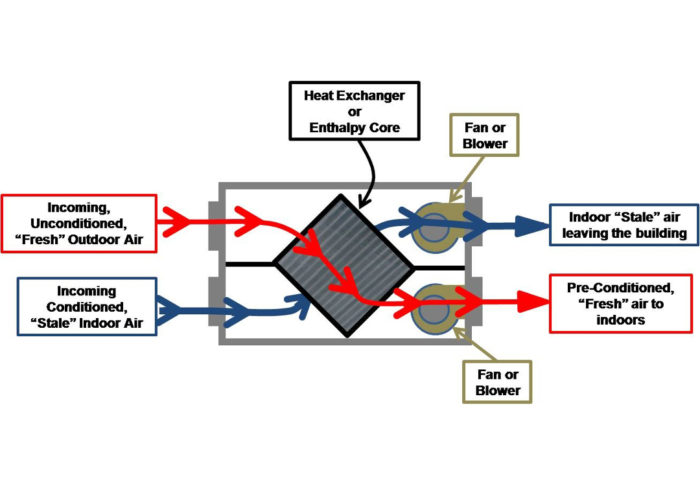
How Does Humidity Affect HRV System Performance?
Humidity considerably affects HRV system efficiency; high degrees can bring about condensation, decreasing effectiveness, while reduced moisture might boost air exchange. Stabilizing moisture is crucial for ideal operation and preserving indoor air high quality.Are HRV Solutions Noisy Throughout Procedure?
HRV systems can generate differing sound degrees during operation, depending upon their style and setup. Some systems run quietly, while others might produce visible audio, particularly at higher air flow settings or when poorly maintained.What Is the Ordinary Life-span of an HRV System?
Can HRV Equipments Be Made Use Of in All Climates?
HRV systems can be used in various climates, yet their efficiency might vary - HRV Heat Recovery Ventilation. In severe temperatures, modifications or supplementary systems may be necessary to guarantee ideal efficiency and convenience while keeping indoor air high qualityReport this wiki page